Cooking Goat - Lake Macquarie Field Archers Inc
Main menu:
- Home Page
- Contact Us
-
Useful Information
- Visitors Welcome
- Membership
- Links
- LMFA Range Rules
- News
- Cooking
- Tips
- Shoot Calendars
- Juniors and Cubs
- Sponsors
- Scores On Line
-
Photo Gallery
- 2011
- 2012
- 2013
- 2014
- Gallery 1
- Gallery 2
- Gallery 3
- New Targets
- Videos
- Members Sales Area
Cooking Goat
General Hints on cooking game meat:
Game meat is very low in fat which means they can easily dry out during the cooking process:
The flavor of goat is strongly affected both by the age of the goat and by their diet, especially in the weeks before they are slaughtered. An older goat who is finished entirely on grass will have a gamier flavor than a young goat that is finished on grain.
Meat should be marinated for at least 15 minutes prior to cooking. Quickly turn the meat over to ensure all sides are seared – this will seal the meat and prevent moisture loss
The general practice is not to add salt to meat prior to cooking as it will draw out the juices, prevent browning and result in dry meat.
After cooking meat it should be covered with foil and rested for 5-
Allow approx 150g of meat for a main course serving and 80g for an entrée
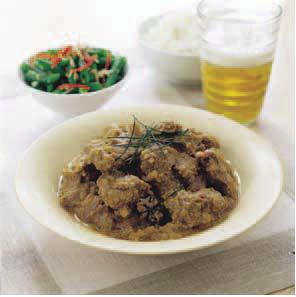
Goat Rendang
INGREDIENTS
1.2kg Goat forequarter, diced
30g tamarind pulp
100ml boiling water
2 onions, sliced
2 tbsp peanut oil
1 cinnamon stick
2 cardamom pods
3 star anise
425ml coconut milk
kaffir lime leaves
salt
Spice paste
3 tsp coriander seeds
3 tsp cumin seeds
3cm ginger, peeled and sliced
3 slices fresh galangal, finely chopped
3 lemongrass stalks, chopped
4 red chillies, seeded
3 cloves garlic
4 tbsp shredded dried coconut
Soak the tamarind in the boiling water for 1 minute. Pour through a fine sieve, discard the pulp and set the liquid aside.Heat the oil in a large saucepan and cook the onions until soft. Add the spice paste and fry for five minutes. Add the meat and stir. Continue to add the remaining ingredients, except for the salt and lime leaves. Bring to the boil and then gently simmer, uncovered, until the goat is tender, approximately 1½ hours. Slice the kaffir lime leaves and add to the saucepan and season with salt in the final half hour. To make the spice paste: dry fry the coriander and cumin seeds over medium heat until fragrant. Place in a spice grinder when cool, and grind to a powder. Place in a food processor along with the ginger, galangal, lemongrass, chillies, garlic and a little water if necessary to blend to a smooth paste. Toast the coconut in a frying pan until golden brown. When cool, place in a spice grinder and grind as finely as possible.
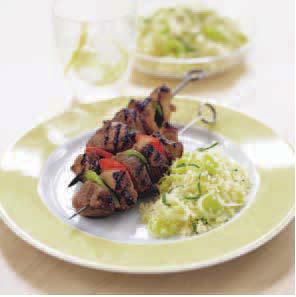
Moroccan Goat kebabs with lemon couscous
Ingredience
1kg trimmed chevon rump,
cut into 2cm dice
2 tbsp olive oil
2 tbsp lemon juice
1 tbsp harissa
1 tsp ground coriander
1 red capsicum, cut into 2cm dice
1 green capsicum, cut into 2cm dice
Lemon couscous
2 leeks, sliced thinly
1 tbsp olive oil
4 tbsp butter
3 cups vegetable stock
1 tsp salt
375g instant couscous
grated rind of 1 lemon
2 tbsp shredded mint
Combine the goat with the oil, lemon juice, harissa and coriander, mix well. Refrigerate for three hours or overnight. Thread the chevon and capsicum alternatively on to metal skewers. Ensure barbecue or barbecue char-
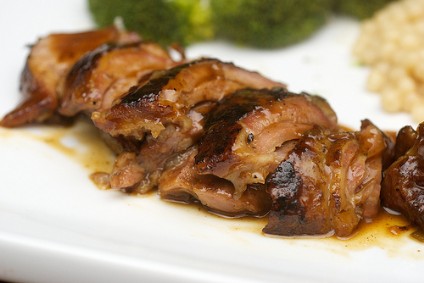
Braised Goat Shoulder
1½ lb goat
kosher salt and freshly ground black pepper
1-
2 tsp sweet smoked paprika (pimenton de la vera dulce) canola oil
1 medium onion, chopped
4 cloves of garlic, chopped
3 stalks of celery, diced
2 large or 3 small carrots, diced
½ cup dry white wine
2 Tbsp sherry vinegar, or white wine vinegar
1½ cups chicken stock
1½ cups veal stock
1 Tbsp unsalted butter
1-
Preheat oven to 250˚F
Heat oil in a large dutch oven over medium-
Add the onion, garlic, celery, and carrots to the pan and sweat the vegetables on medium-
Cut out a circular piece of parchment paper just large enough to cover the meat and it’s cooking liquid and place it on the braise, put in the oven. You can also just put a lid loosely on the top, but the goal here is to prevent the braise from ever coming to a boil in the oven. If you cover it tightly with a lid, the internal temperature will easily get above boiling, but using parchment paper or keeping the pot partially uncovered will allow transfer of heat out of the pot and prevent it from coming to a boil. Still, it always helps to check and make sure the braise isn’t boiling from time to time. Turn every hour or so. Check after 3 hours… the goat may not (and probably will not) be tender, turn and return to the oven for another 30 to 90 minutes, checking every 45 minutes or so until very tender.
When tender, remove the meat from braise and cover with foil in a warm place. Strain the sauce into a sauce pan and reduce the sauce on medium high heat until just beginning to thicken. You should end up with roughly ½ cup of liquid. Add a pinch of salt to taste. When pleased with the consistency of the sauce, (it should be pretty thick and definitely coat the back of a spoon) remove from heat and whisk in the butter.
When ready to serve, slice the goat and fan the slices on a pre-
Serves 3 to 4
Cooking Different Cuts of the Goat
Goat is similar to mutton except it has a gamier taste, but basically goat meat can easily be cooked in the same manner as lamb or mutton. Here are a few ways of serving goat:
* The neck:
Place the neck cutlets in a baking dish. Cover the cutlets with sliced onions and heaps of crushed garlic. Then cover the lot with a tin of tomato soup. Marinate for five hours or even a day in the fridge. Cover the meat with foil and cook in a preheated oven at 150°C for four to five hours. Let it cool and skim off any fat. Reheat and serve on a bed of noodles or rice -
* The leg, loin or flap:
Garnish the leg with rosemary, thyme, salt and pepper. Slice little pockets in the leg and place in slivers of fresh garlic. With loin and flap use crushed garlic. Place the meat in an oven bag and cook in preheated oven at 150°C for three to four hours and serve with baked vegetables such as potatoes, pumpkin, carrots and onions.
* The shoulder:
A Greek friend once told me that if you want to make tough meat tender, cook it for a very long time with a gentle, low heat. One of the easiest ways to do this is to cook any tough meat in a crock-
* A boned-
Place the leg in a baking dish and garnish as follows:
o 3 tablespoons of oil
o 1 tablespoon of vinegar
o 1 bay leaf
o Light sprinkle of chilli powder
o Pinch of garlic salt
o Thyme
o Parsley
o 3 tablespoons of soy sauce
Cover and marinade in the fridge for 24 hours and then cook covered in foil or in an oven bag at 150°C for three or four hours. Serve with roast vegetables. This marinade is excellent for lamb and steak as well. Remember, the quality of the meat is important. Young goats (one year or younger) are better to eat, as their meat is not as strong as older animals. If older animals are taken, make sure they are females that are not in oestrous, which can toughen the meat.