How Do Bows Work - Lake Macquarie Field Archers Inc
Main menu:
- Home Page
- Contact Us
-
Useful Information
- Visitors Welcome
- Membership
- Links
- LMFA Range Rules
- News
- Cooking
- Tips
- Shoot Calendars
- Juniors and Cubs
- Sponsors
- Scores On Line
-
Photo Gallery
- 2011
- 2012
- 2013
- 2014
- Gallery 1
- Gallery 2
- Gallery 3
- New Targets
- Videos
- Members Sales Area
How Do Bows Work
Difference Between Compound and Recurve Bows

The difference between a recurve and compound bow is simple and obvious; what's more important is understanding how the difference matters and which one you prefer. There are actually three basic bow styles: recurve, traditional and compound.
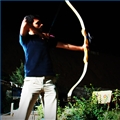
The distinguishing feature of a recurve is the reverse curves at the ends; from the handle, the bow limbs curve gracefully toward the archer, then curve away at the ends. These reverse curves "re-
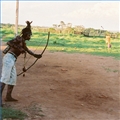
The traditional bow is often called a longbow, though the terms are not actually interchangeable. A traditional bow is one that does not have the reverse curving limbs; the bow shape is a simple arc from one end to the other. If the bow is about five feet or taller, it's a longbow. A bow made from a single piece of wood (or other material) is called a "selfbow."

The newest style of bow is the compound bow, invented in the mid-
Which One Is Best?
As usual, "best" is a relative and subjective term. Which bow is best for a given archer depends almost entirely on the archer's temperament, personality, preferences and goals. The recurve is a transitory form between the other two and serves as the "default" option. The real difference between traditional and compound shooting is the difference in the archer.
The Archer's Personality
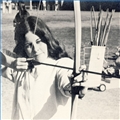
The difference between traditional shooters and compound shooters lies in the archer's way of looking at archery. To some degree, traditional and recurve archers are purists: They are process-
Other Factors
Compounds are the preferred bow for hunting, though many hunters also choose to give the prey a "sporting chance" by limiting the kind of equipment they will use. Compounds are also used in pro tournaments, which sometimes involve cash prizes.
Recurve is the standard bow for the Olympics and international competitions. Archers who aspire to Olympic gold are required to shoot recurve. Recurve archers tend to shoot in target competitions rather than field archery, 3-
Traditional bows are favored by a wide variety of shooters, especially those who shoot for personal satisfaction and are not too interested in competition, though there are tournaments specifically for them. These bows are also popular in hunting, field archery and 3-
How Does a Compound Bow Work?

What is a Compound Bow?
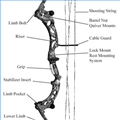
A compound bow is similar to a traditional longbow or recurve bow, except its design and material give it significant advantages, among them increased power and accuracy. Like all bows, compound bows store energy in their limbs, which are compressed as the string is drawn back. When the string is released, the limbs snap to their original shape, transferring the potential energy into acceleration of an arrow. Compound bows typically do not fire wooden arrows because of the greater forces at work, but the metal arrows they do use don't differ from those available to users of other bows
Features
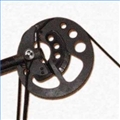
The primary feature of a compound bow is the use of one or two pulleys to compress the limbs. Not only do the pulleys magnify the force applied to the string by the archer, they also provide an advantage known as "let off." A standard longbow requires nearly as much force to hold it fully drawn as it does to draw it back. In a compound bow, once the string is about 50-
Design
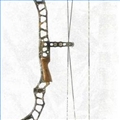
The cables and pulleys make the compound easier for the archer to use, but the real secret to its power is in the composite materials from which it's constructed. The central part of the bow where the arrow is nocked is called the riser. It's usually made of a sturdy aluminum alloy. The limbs are made of very strong but somewhat flexible composite materials and are bolted to the riser. This combination of strength and flexibility, combined with design, gives the compound bow much more power than a traditional bow, which is usually constructed from a single piece of wood.
Accessories
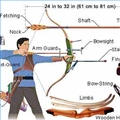
Archers using compound bows often use a variety of accessories. Unlike traditional bows, which are often fired bare-